Does PokerCoaching Help If I Mostly Play Online Now?
Yes—poker coaching can help online players, but only when it addresses the decisions you actually face at the tables. Advice designed for live poker may still teach useful fundamentals, yet online games move faster, offer more hands per hour and make it easier to play several tables at once. That changes what you need to practise.

For players in Norway, there is another layer: the country has a strict gambling environment and relatively limited land-based options. Poker may be the game that first draws someone into gambling, but playing online also makes other forms of gambling unusually easy to access. Good coaching should help you think more clearly about poker without blurring the distinction between strategic decision-making and games that are mostly chance.
After years of playing and testing poker platforms, my practical view is simple: pokercoaching is worth considering if you want a repeatable way to improve, not a shortcut to guaranteed results. The right course, coach or study group can help you build a sound process. It cannot remove variance, make every game profitable or decide how much time and money you should risk.
Why Online Poker Needs Its Own Kind of Practice
Online poker shares the same basic rules as live poker, but the playing environment is different. You see more hands in a shorter period, make decisions with less physical information and may face unfamiliar bet sizes or faster formats. If you play multiple tables, you also have less time to study each decision while it is happening.
That means a coach who focuses only on live tells or table conversation may not be the best fit. Online players often need help with the parts of the game they can review and measure: preflop ranges, bet sizing, position, hand selection, tracking decisions and managing attention across a session.
- More hands, more feedback: You can encounter common situations often, which creates useful material for review—but also means mistakes can add up quickly.
- Less physical information: Timing and betting patterns can matter, but you cannot rely on the same visual cues available in a live game.
- More distractions: Messages, streaming and extra tables can pull attention away from decisions.
- Faster emotional swings: A run of bad results can happen in a short period, even when you have made reasonable decisions.
Quality poker coaching should turn these differences into a practical study plan. Rather than saying “play aggressively” or “trust your instincts,” it should help casino promotions norway you identify which situations to review, explain why certain lines work and give you a way to check whether you are applying the lesson.
What PokerCoaching Can—and Cannot—Do
PokerCoaching can be useful if it gives you clear instruction, examples and a structure for reviewing your play. A good lesson should explain the reasoning behind a decision, including what changes when position, stack size, opponents or game format change. The aim is not to memorize one answer for every hand. It is to improve the way you evaluate a situation.
Before paying for a course or coaching package, look at the teaching format and the level it is designed for. A beginner may benefit from lessons on rules, position and basic preflop decisions. A regular online player may need more detailed hand reviews, feedback on recurring leaks or help adapting to a particular format. Check whether the materials are current and whether they match the games you actually play.
What coaching can help with What it cannot promise Building a consistent study routine Guaranteed winnings or a fixed return Understanding ranges, position and bet sizing Eliminating luck or short-term swings Finding patterns in your own decisions Making every game or opponent beatable Learning to review hands more objectively Replacing limits on time and spendingBe cautious of marketing that makes poker strategy sound like a sure route to income. Poker involves skill, but outcomes still vary, and the house may take a fee from the game. Your results can be affected by the stakes, the competition, your decisions and chance. Coaching may improve your understanding; it does not turn a gambling activity into a dependable source of money.
Norway’s Gambling Reality Matters
Norway is not a market where every international gambling site can simply be treated as an ordinary local option. Gambling is closely regulated, and Norsk Tipping is the state-owned operator for a range of permitted games. The availability of land-based gambling and poker is also more limited than in many countries, which can make online play feel like the most convenient route for adults interested in the game.
Rules can depend on the activity, operator and circumstances, and they may change. Before registering, depositing or playing, check current guidance from the relevant Norwegian authorities and the operator’s terms. Do not assume that a site is authorized to serve Norwegian residents just because its pages are available in English, accept a familiar payment method or appear in search results.
That is especially worth remembering when browsing comparison and bonus websites. A name such as Kongebonus may appear while you are researching gambling offers, but a listing or promotion is not a substitute for checking the operator’s legal status, terms, withdrawal conditions and responsible-gambling tools. Read the details before acting, and do not let a welcome offer set your budget for you.
Online availability can also make gambling feel more routine than it is. A poker table or casino lobby is only a few taps away, sometimes at any hour. The convenience is real; so is the need to set boundaries before you start.
Poker as a Cultural Entry Point to Gambling
For many people, poker feels different from a slot game or roulette because players make decisions based on information, opponents and probability. It is also a social game: people learn it from friends, televised tournaments or home games, then take an interest in online poker when finding a live table is difficult.
That makes poker a common cultural entry point to gambling. Someone may start with a casual game among friends, watch strategy videos and eventually explore online tables. From there, the same account, app or browsing session may expose them to other casino games. It is important to be honest about the difference: online casino laws Norway poker involves strategic choices, but that does not mean every gambling game is skill-based. Many casino games are predominantly chance-based, and strategy cannot change the underlying odds in the way players sometimes assume.
Coaching focused on poker should stay focused on poker. It can help you make better-informed decisions at the table, but it should not be framed as a reason to try unrelated casino products. If your interest is learning a game, learn that game on its own terms rather than treating a casino lobby as one continuous challenge.
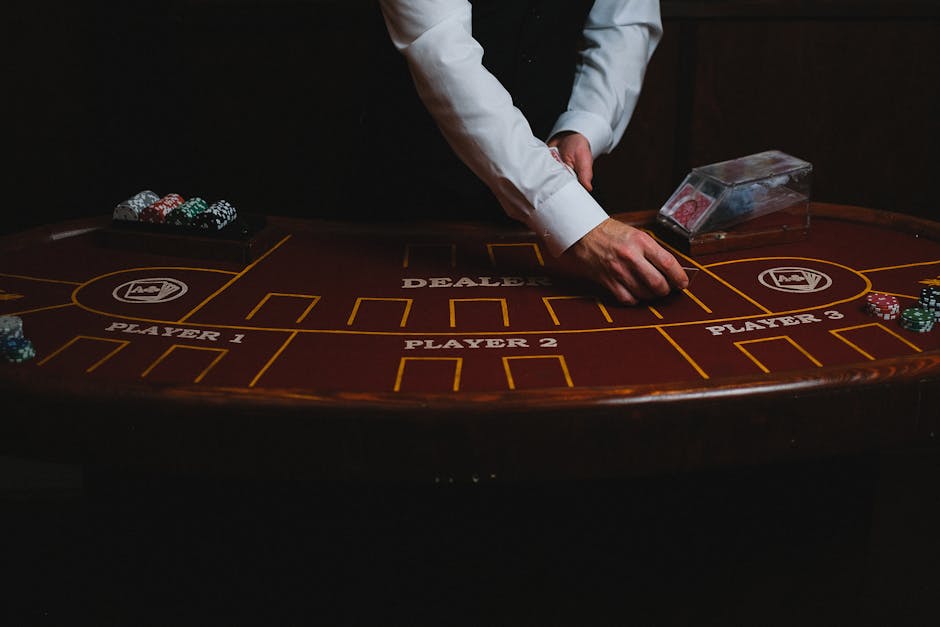
Online Convenience, Games and Different Risk Profiles
One reason online gambling is attractive is choice. A single platform may offer cash games, tournaments and several poker formats, alongside slots, roulette, blackjack and other casino games. That variety can be entertaining, but the games do not have identical rules, pace or risk profile.
- Poker cash games: You can generally choose when to join and leave, subject to the platform’s rules. Your decisions and opponents matter, but losses can still occur quickly.
- Poker tournaments: They have a defined entry fee and structure, but you may spend a long time playing without a return. Tournament variance can be substantial.
- Slots: Outcomes are typically generated by chance. A rapid pace can make it easy to place many bets in a short period.
- Table games: Rules differ by game, and some decisions may affect the odds. They should not be mistaken for games where skill guarantees a favourable result.
Different formats call for different expectations. If your goal is to improve at poker, moving between poker study and unrelated casino games is unlikely to help your strategy. Keep your learning goal, entertainment choices and spending limits separate.
Making Poker Strategy Planning Practical
Poker strategy planning is most useful when it is small enough to follow. You do not need to rebuild your game after every session. Pick one area, collect examples and review them when you are not rushed or tilted. A simple plan can be more valuable than a long list of concepts you never revisit.
- Choose one format and stake level to study. Advice for tournaments may not transfer neatly to cash games, and play changes with stack depth and table conditions.
- Set a specific question. For example: “Am I opening too many hands from early position?” is more actionable than “How do I get better?”
- Review a manageable sample. Mark hands that made you hesitate, then study the decisions rather than judging yourself only by whether you won the pot.
- Write down one adjustment. Keep it simple enough to remember during play and return to it after a few sessions.
- Track time and spending separately from results. A winning session can still run too long; a losing session is not a reason to chase losses.
This is where structured material from PokerCoaching or another reputable educator may help: it can give you a framework for what to study next. Compare the teaching style, price and format before committing. If you can, begin with material that lets you assess whether the explanations suit your level instead of buying a large package on impulse.
Mobile Phones, Tablets and the Study Setup
Mobile phones and tablets make online poker easy to reach, but they are not always the best tools for every task. Mobile is often better for short, casual sessions and quick access to a lesson or hand history. A tablet offers more screen space and can be easier for reading or reviewing a hand than a phone. For detailed analysis, comparing notes and managing several windows, a desktop is usually more comfortable.
Pay attention to small interface details before you settle in. Is the language toggle easy to find? Are the game and cashier screens clear on a smaller display? Can you locate limits and account settings without digging through menus? A clumsy deposit flow or unclear balance display is a reason to pause and read carefully—not a reason to deposit faster.
I prefer to do focused study on a larger screen and keep mobile play limited. The phone makes it too easy to start a session just because there is a spare minute. That convenience can be useful, but it can also turn an intentional plan into unplanned play.
Set a Stop Time Before You Sit Down
Coaching is about making better decisions in poker; responsible play is about deciding whether and when to play at all. I have a personal rule to stop after a set time, even when I am winning. A win can make it tempting to extend a session, while a loss can make it tempting to keep playing to get even. Neither feeling is a sound reason to ignore your plan.
- Decide your session length and spending limit before opening a game.
- Use any available account limits, time reminders or self-exclusion tools if they suit your needs.
- Do not borrow money or use essential funds to gamble.
- Take a break if you are tired, frustrated or struggling to stop.
- Seek support if gambling starts affecting your finances, relationships, work or wellbeing.
So, Is PokerCoaching Worth It for an Online Player?
If you mostly play online now, poker coaching can be worthwhile when it is specific to your format, level and goals. Look for instruction that explains decisions, encourages hand review and gives you a realistic study routine. Use it to improve your understanding—not to predict winnings or justify playing longer.
For Norwegian players, keep the regulatory context in view, verify current rules and operator details, and treat convenience as a reason to plan ahead. Poker may be a cultural doorway into gambling, but poker skill does not carry over to every casino game, and online access at all hours does not make every session a good idea.
The best test is straightforward: after a few weeks, can you explain your decisions more clearly, spot recurring mistakes and stick to your limits? If yes, coaching is doing something useful. If the pitch is mostly about easy money, guaranteed results or playing more, close the tab and keep your study plan—and your stop time—intact.